Burning Smell When the Heat First Comes On? Read This
A brief dusty burning smell the first time you run the heat is common in North Florida. When it's normal, when it isn't, and what the ducts have to do with it.
In North Florida, the heat might sit unused for most of the year. Then the first cool morning arrives, someone in your Baymeadows home switches the thermostat to heat, and a few minutes later the house smells like something is burning. It's a common moment, and usually not an alarming one. But it's worth knowing the difference between normal and not.
Why it often happens
Many homes around here use a heat pump, often with electric heat strips in the air handler for backup or for cold mornings. Some use a gas furnace. Either way, the heating parts have sat for months while the system ran in cooling mode.
During that time, a thin layer of dust can settle on the heat strips or the furnace's heating surfaces. HVAC manufacturers such as MRCOOL explain that when those parts heat up for the first time in the season, the dust burns off, and the smell travels through the ducts to the rest of the house.
That smell typically:
- Shows up within minutes of the heat first running
- Smells like dust or a hot, slightly burnt odor
- Fades within a short time, often within an hour
- Doesn't come back after the first few heating cycles
When it's not normal
Turn the system off and call an HVAC contractor if you notice any of these:
- The smell doesn't fade after the first few hours of running the heat, or comes back every time.
- It smells like melting plastic, burning rubber or something electrical.
- You see smoke from a vent or near the air handler or furnace.
- A breaker trips when the heat comes on.
- You smell gas with a gas furnace. Leave the home and call your gas utility from outside.
These are equipment issues. Heat strips, furnaces, wiring and blowers are HVAC contractor work, not something a duct cleaning addresses. If you have any fuel-burning appliance, the Consumer Product Safety Commission recommends carbon monoxide alarms on every level of the home and outside sleeping areas. The EPA's carbon monoxide guidance also recommends having a trained professional inspect, clean and tune up a central heating system every year.
What the ducts have to do with it
The ducts deliver the smell, but they usually aren't the source of a first-heat burning smell. The dust that burns off sits on the heating parts inside the air handler or furnace, not inside the ductwork.
That said, both the heating parts and the ducts collect dust from the same place: air pulled through the return. If the filter is clogged, poorly fitted or missing, more dust reaches the equipment and the ducts. So the most useful prevention step is the same for both:
- Change the filter before heating season. The EPA recommends the highest-efficiency filter your HVAC system's manufacturer allows, changed regularly, with no gaps around it.
- Vacuum return grilles so less dust gets pulled in.
Tips for the first heat of the season
- Change the filter first.
- Open a few windows if the weather allows, to air out the smell faster.
- Run the heat on a mild day before you really need it, so the burn-off happens when it's convenient.
- Stay nearby for the first run and pay attention to the smell and any smoke.
- Test your smoke and CO alarms while you're thinking about it.
Gas furnaces and heat pumps differ
If your home has a heat pump, keep in mind that its outdoor unit also runs a defrost cycle in cold weather, and it can make unfamiliar noises or release a little steam outside. That's separate from the indoor burning smell. Your owner's manual describes what's normal for your model.
If your home has a gas furnace, the first-heat smell usually comes from dust on the heating surfaces too. But any smell of gas is different: it calls for leaving the home and calling the gas utility, not waiting to see if it fades.
When a duct cleaning makes sense
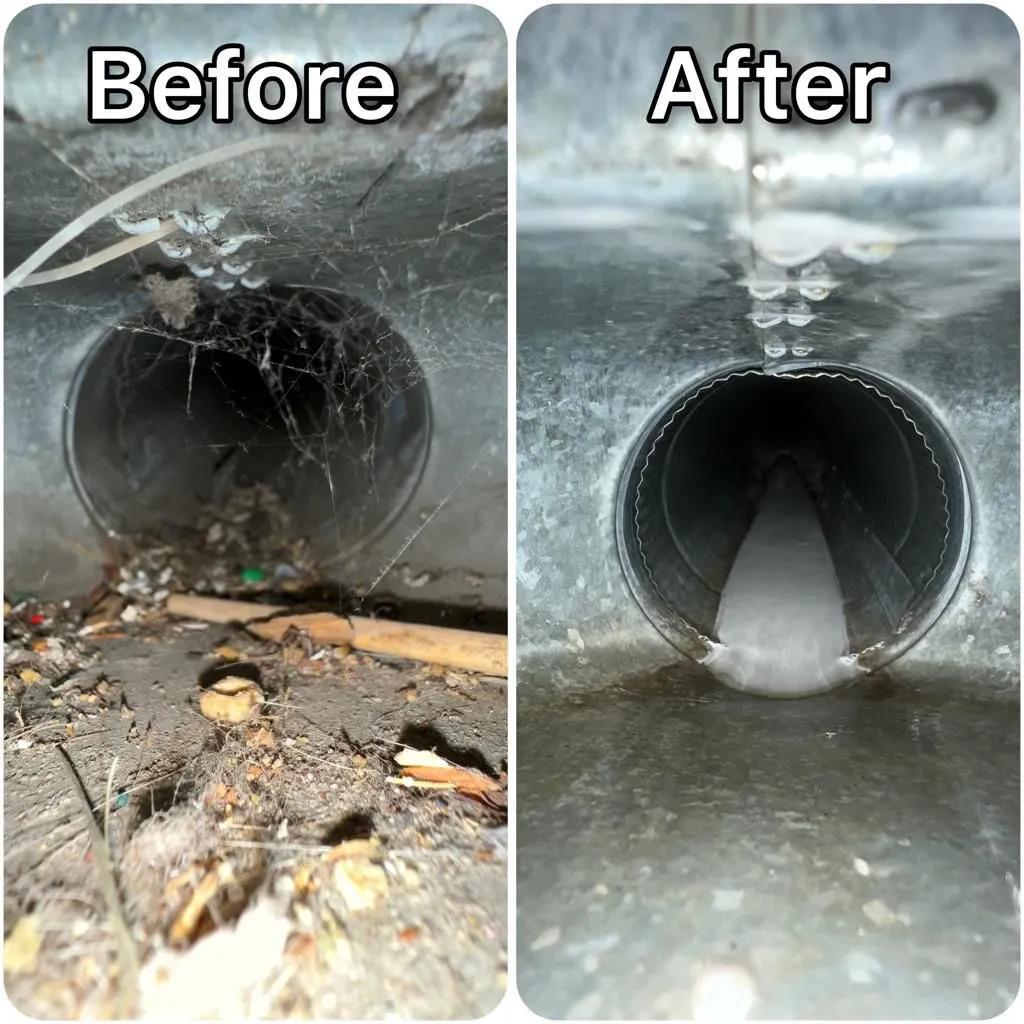
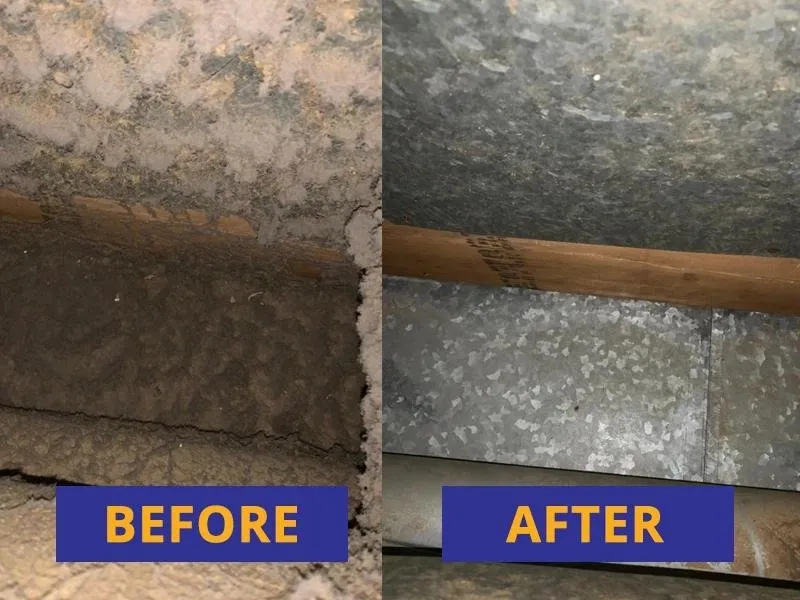
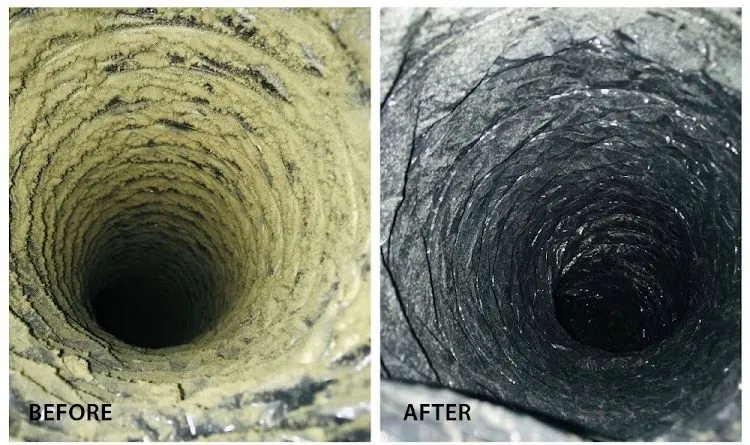
A first-heat smell by itself isn't a reason to clean the ducts. A cleaning is worth considering if you see dust blowing out of the supply registers, find heavy buildup when you lift a register cover, or recently finished a dusty project. The EPA lists those among the situations where duct cleaning should be considered.
Our air duct cleaning covers the supply and return ducts and the registers, using rotating brushes and a HEPA-filtered vacuum. It's $199 for the first 10 vents, then $29 for each vent after that. For more on how cleaning and system service differ, see our post on duct cleaning vs. HVAC maintenance. Every price is listed on our pricing page.
Not sure if we cover your neighborhood? Check our service areas.
If the smell faded but the registers are dusty, request a free estimate from American Air Duct Cleaning Baymeadows.
Sources
- Should You Have the Air Ducts in Your Home Cleaned?, U.S. EPA, last updated February 19, 2026
- Carbon Monoxide's Impact on Indoor Air Quality, U.S. EPA, last updated July 15, 2026
- Carbon Monoxide Fact Sheet, U.S. Consumer Product Safety Commission, accessed October 22, 2026
- Why You Smell Odors When Starting Your HVAC System, MRCOOL Support, updated October 20, 2025